.png)
PTSD
Find compassionate PTSD treatment designed to help you reclaim your life and move forward with confidence
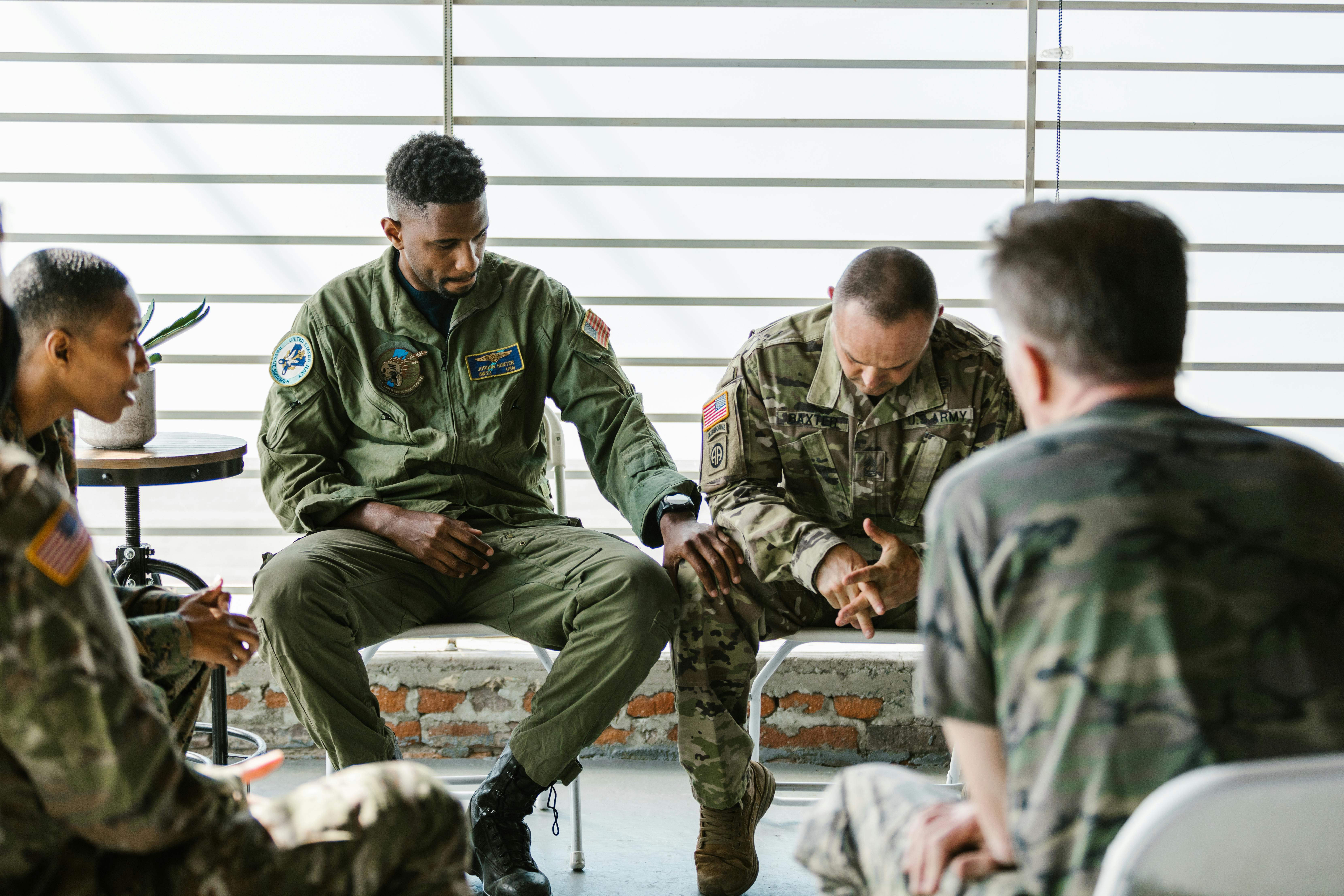
What is PTSD and How it Affects You
Post-Traumatic Stress Disorder (PTSD) is a serious mental health condition that can develop after someone experiences or witnesses a traumatic event such as violence, abuse, accidents, or combat. PTSD doesn’t just affect those in the military—it impacts people of all ages, backgrounds, and walks of life, including survivors of childhood trauma, first responders, and individuals who have endured life-threatening situations. Symptoms often include flashbacks, nightmares, heightened anxiety, and emotional numbness, which can interfere with daily life and relationships. Left untreated, PTSD can lead to depression, substance use, and physical health issues. Understanding PTSD is the first step toward healing, and with the right support and treatment, recovery is possible.

Intrusive memories
These are unwanted, distressing thoughts or flashbacks that feel as vivid and real as the original traumatic event. They can occur suddenly and without warning, often triggered by sights, sounds, or even smells that remind someone of what happened. Intrusive memories can make it difficult to focus on daily tasks and may lead to feelings of fear, guilt, or shame.
Emotional numbness
Emotional numbness occurs when someone feels disconnected from their emotions or from people they care about. Joy, love, and even sadness may feel distant or inaccessible. This can lead to isolation and difficulty maintaining relationships, as the person may withdraw emotionally to avoid pain or vulnerability.
Hypervigilance
Hypervigilance is a state of constant alertness, where the mind and body remain on edge as if danger is always present. People experiencing this symptom may have exaggerated startle responses to ordinary sounds or movements, struggle to relax, and feel exhausted from being in a heightened state of awareness. This can interfere with sleep, concentration, and overall well-being.
Avoidance patterns
Avoidance is a coping mechanism where individuals steer clear of places, people, conversations, or activities that remind them of the trauma. While this may provide temporary relief, it often reinforces fear and prevents healing. Over time, avoidance can limit life experiences and create barriers to recovery.



Know when it's time to reach out
If symptoms persist beyond a few weeks or interfere with daily functioning, professional support can make a real difference. You don't have to carry this alone.